PROCESS-INDUSTRY WORKFLOW IMPROVEMENT ADVISORY

Understand. Apply. Improve.

Our T5 Cycle helps teams improve work that takes more time and preparation than expected. It makes the information needed for that work easier to find, check, and reuse, giving people more time to solve problems, make decisions, and apply their experience.
SPECIALIZED ONLINE TRAINING

Build skills you can use at work

Choose self-paced, hybrid, or instructor-led courses built from decades of real work in the process industries and gain practical skills you can apply with confidence.
PRACTICAL INDUSTRIAL TRAINING AND ADVISORY

Understand
Apply
Improve

By turning expert knowledge into practical training, reusable methods, and useful tools, we make work clearer, faster, more consistent, and less risky.
Looking for Training?  Learn more about our self-paced, hybrid, and instructor-led course options, or explore our catalog.

Does This Sound Familiar?

"We already have much of the information and experience we need. Why does bringing it together still take so much effort?"

You may recognize this when:

  • The information for a daily production report already exists, but comparing results, investigating deviations, and explaining what happened still takes too long.
  • A problem occurs, but the information needed to understand it is spread across systems, documents, emails, and people.
  • New equipment meets the acceptance criteria, but without a record of earlier performance, it is difficult to show what improved in operation.
  • A similar problem was solved before, but the findings and reasons behind the decision are difficult to find. Much of the work must be repeated.
  • A new project or equipment change starts with earlier documents and data, but the team must still work out what applies, what has changed, and what needs to be decided.
These situations may involve familiar work, a recurring problem, or a new project. The pattern is the same:  useful information and experience already exist, but finding, checking, comparing, and preparing what matters still takes too much effort.

LESS TIME RECREATING THE PAST. MORE TIME IMPROVING WHAT COMES NEXT.

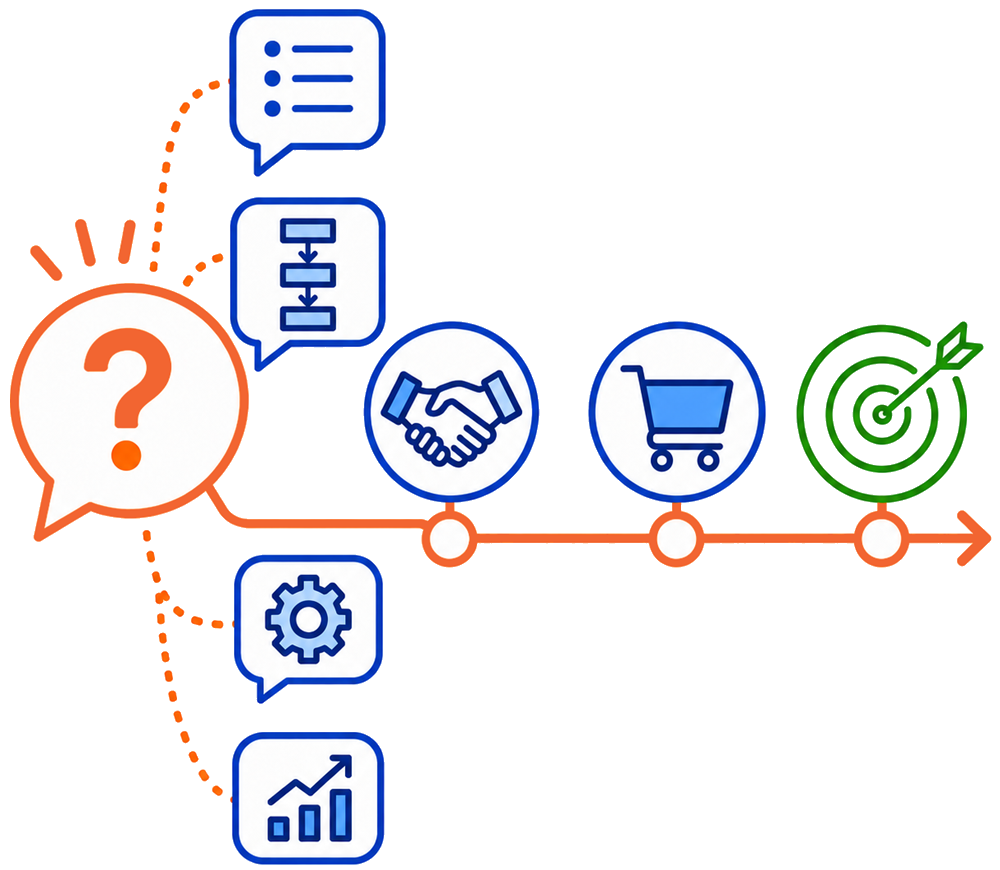
T5 helps your team connect what matters and define one focused improvement. That improvement may make recurring work easier, provide a clearer basis for a decision, improve the way an existing system is used, or support AI or another technology.

Each result should be useful today and provide a stronger foundation for what comes next.

T5 Cycle helps you and your team:

  • identify the improvement that matters most now;
  • reduce repeated searching, checking, preparation, and rework;
  • build on the knowledge, methods, documents, and tools you already have;
  • define one practical result and how it should be tested;
  • leave the result and supporting resources clear, documented, and ready for what comes next.

The T5 Cycle

IMPROVE TODAY. BUILD LASTING VALUE.

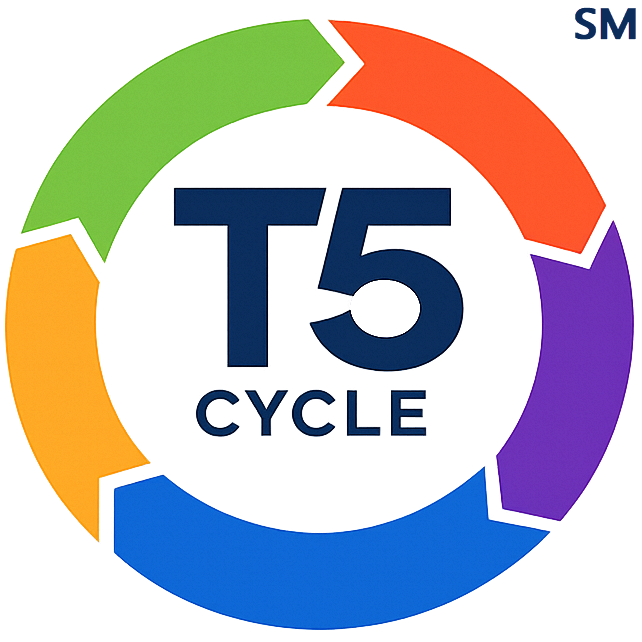
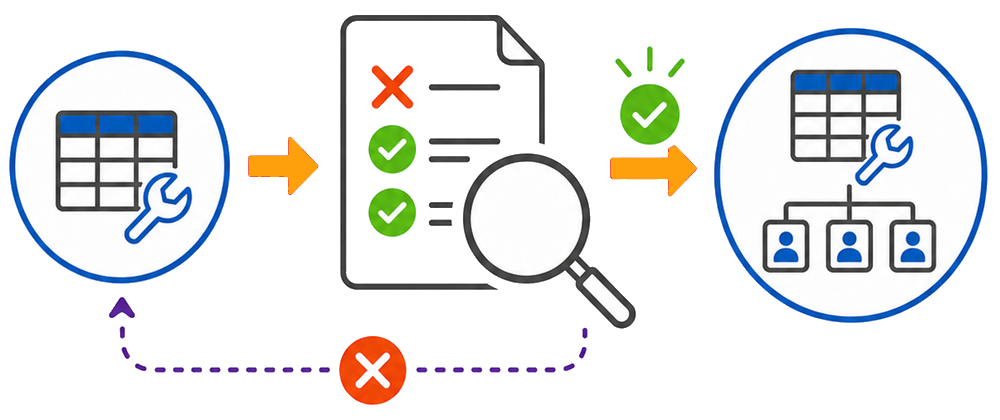
The T5 Cycle is our practical five-step method for improving important work that takes too much effort.
It gives us a clear way to work with your team, from understanding one important need to creating a practical result the team can test, use, and build on.

One focused cycle addresses one clearly defined need. Additional cycles can refine or extend the result based on what we learn, while keeping the broader goal in view.
Understand
Understand what is happening, what should happen, what the team already knows, and where the work becomes difficult.

Model

Organize what matters so the team has a clear, shared view of the work.

Apply

Use that shared understanding to guide one practical result the team can use.

Validate

Test the result in real work against agreed criteria and confirm that it meets the need.

Improve

Capture what was learned, improve and document the result, and leave it ready for what comes next.

What we learn in one cycle becomes the starting point for the next.

What a T5 Cycle Can Produce

A T5 Cycle does not always produce something new. It may show that the best next step is to get more from an existing tool, make responsibilities clearer, or choose a simpler solution.

——

If your team is considering AI or already implementing it, a T5 Cycle can help make one part of the work clear and test a small working example. The result may include clearer requirements, organized company knowledge, and a practical way to test whether the solution works.  Together, these form a company-owned bridge between the work that needs to improve and the AI solution being built. Your company keeps these resources and can continue using them as the project develops.

When AI Is Part of the Solution

AI CAN DO MORE WHEN THE WORKFLOW IT SUPPORTS IS CLEAR

AI can help teams find, summarize, compare, analyze, and draft information. But more data and documents do not automatically explain how a workflow operates, what it must accomplish, or what a useful result looks like.
AI 
Helps with:
  • Finding relevant information
  • Summarizing documents
  • Comparing sources or results
  • Analyzing data and patterns
  • Drafting documents and content
The Team 
Provides context:
  • What the workflow must accomplish
  • What the information means and which sources to trust
  • How people, documents, systems, and tools connect
  • Where human review and judgment are needed
  • What a useful result looks like and how it will be tested
T5 Cycle
Helps create:
  • A clear, shared view of the workflow the AI solution will support
  • Company information, rules, and examples organized for the team and the AI solution
  • A practical test to confirm that the solution works and provides correct, useful results
Before or Alongside
T5 can help before an AI provider is chosen or alongside an implementation already underway. When an AI provider is involved, we agree on the roles at the start.
People Judge the Result
The people who perform and manage the workflow help provide the context and decide whether the result is correct and useful.
Your Company Keeps the Resources
The resources created during a T5 Cycle remain with your company. They can be reused if the AI tool, provider, or project direction changes.

T5 helps your team clarify the relevant workflows, organize the context AI needs, and test whether the solution works in practice, one focused cycle at a time.

How T5 Cycle Is Different

Our goal is to help customers make better decisions by making it easier to connect what is happening, what should happen, and what has already been learned.
Before many important decisions can be made, the team must find, check, understand, and bring together information from several sources.
The T5 Cycle is Indaucen’s practical way to make that work easier.
This reduces repeated preparation and gives people more time for decisions, problem-solving, and work that depends on their experience.

We do not begin with a preferred product, technology, or large program. We start by asking: What part of the work should be easier?

In simple terms:

  • Your people make the decisions.
  • T5 improves the work leading to those decisions.
  • It preserves the information and reasoning behind decisions, so the team can reuse that knowledge.
We look at the work and everything around it: the people involved, the information they use, the methods they follow, the systems, documents, and tools they rely on, and the decisions they need to make.
This helps the team see what already works, where the work becomes difficult, which information matters, and where knowledge and experience are most important.
This is why we describe T5 as connective tissue. It helps these different parts work together around one clear need.
One T5 Cycle focuses on one clearly defined need. It does not require the company to begin with a large technology program. It can be used before a product or provider is chosen or to improve one part of work already underway.
Indaucen is not tied to a particular product, platform, or provider. We bring process-industry and engineering experience, while keeping the focus on what the customer needs from the work.
The people who do the work help shape and test the improvement. The result is clear, documented, and ready for the team to use, maintain, and improve.
Each cycle creates value now and gives the next improvement a stronger starting point. The team remains in control of how the result is used and developed.
  • Listen first
  • Understand the need.
  • Build on what works
  • Take one useful step at a time
  • Leave every result ready for what comes next

Apply T5 Cycle to Your Work

Improve a technical, operational, project, or business workflow.

WHEN IMPORTANT WORK SHOULD BE EASIER

A T5 Cycle starts with one focused need. It may arise from familiar work, a recurring problem, an important decision, or a new project.
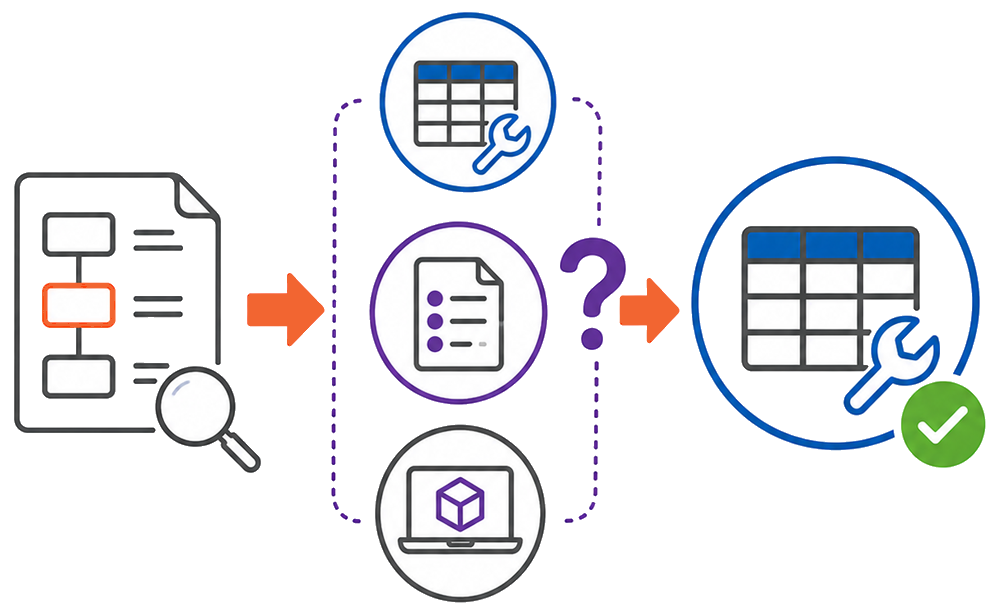
We help your team understand how the work is done, organize the relevant information and knowledge into a clear, shared model, and agree on what a useful result must achieve and how it will be tested.

When T5 Cycle Fits Best

T5 is especially useful when important work takes too much effort because information is difficult to connect, manage, track, or reuse, or because requirements and responsibilities are unclear. This can affect one person, a small team, or an entire organization.

  • In Recurring Operations, Maintenance, or Support Work

  • Preparing production reports, purchase orders, proposals, or contracts may take too long because information from earlier work must be found, checked, and updated.


    The same problem can affect daily reviews, shift handoffs, troubleshooting, and maintenance investigations when the relevant information is spread across systems, documents, emails, and people.


    T5 connects what matters for one recurring need. This makes the information easier to manage, track, and reuse, reducing repeated preparation and investigation.

  • Before a Major Decision or Investment

  • T5 can help before your company selects equipment, an AI or other technology, a supplier, or a larger improvement program, especially when requirements, responsibilities, or test criteria are still unclear.


    We help the team define the need, identify gaps, compare options, and agree on how success will be tested. Where useful, a small prototype can test key assumptions.


    This makes the options easier to compare and helps identify missing requirements before your company makes a larger commitment.

  • During an Ongoing Project

  • During an equipment, automation, or digital project, teams may lose time reviewing specifications, tracking questions and decisions, preparing test evidence, or passing information between groups.


    T5 organizes the information, responsibilities, expected result, and test criteria for one defined part of the project. Your company can then choose who should implement the improvement.


    This reduces repeated questions, document searches, misunderstandings, and work recreated during handoffs.

A Flexible Implementation Path

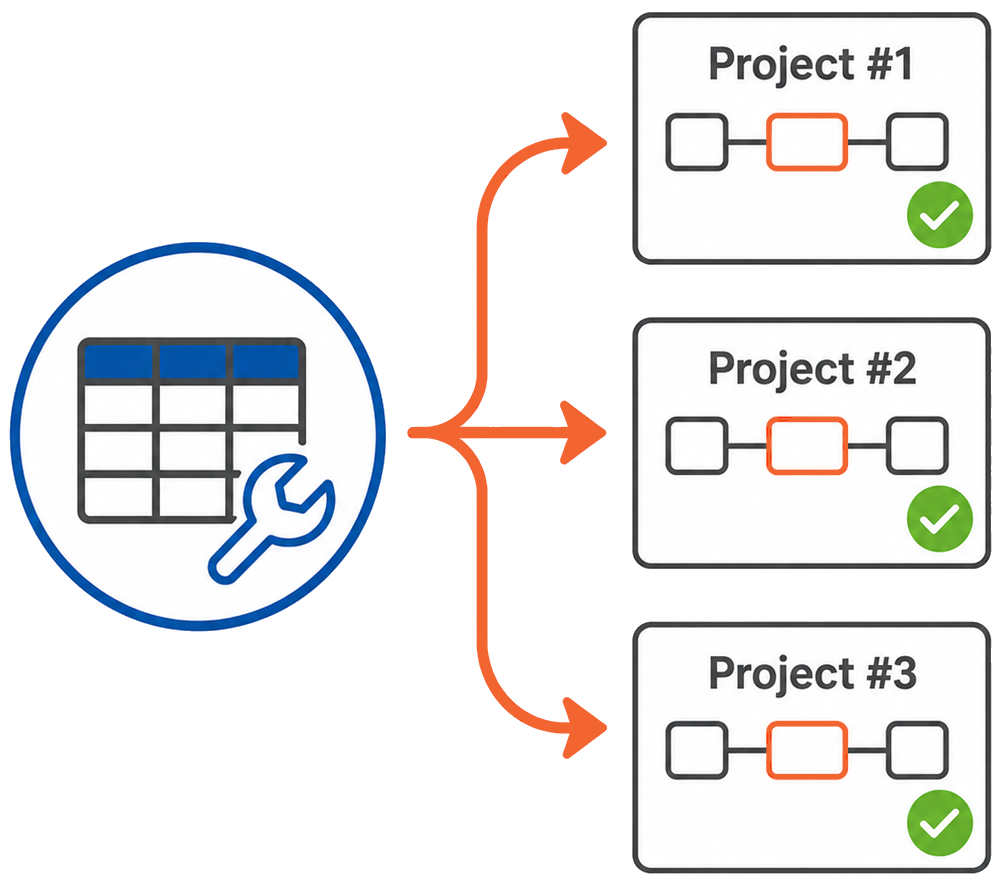
One Foundation. Three Ways Forward

Start With a Company-Owned Foundation

Together, we create a clear, company-owned model of the work, including the requirements and test criteria.
It does not depend on one system or provider.
Your company chooses how to put the improvement into practice

Transform With Indaucen

Indaucen can provide training, procedures, reusable templates, libraries, a prototype, a practical tool, or another clearly defined result.

When a tool or prototype needs operating evidence, it can use approved, read-only data from an automation, production, batch, or other system.

Build It Internally

Your team can use the model to improve an existing system or put the improvement into practice.

Use a Specialist Provider

A selected provider can use the model, requirements, and test criteria to design and implement the agreed result.

Test, Learn, and Decide What Comes Next

Your team or chosen provider tests the result against the agreed criteria.
Indaucen can review the findings, update the model with what was learned, and help your team decide what should happen next.
UNDERSTAND THE WORK. START SMALL. TEST IN PRACTICE. KEEP THE FOUNDATION.
The model and supporting resources can be reused and updated even if the system, technology, or provider changes.

What the T5 Cycle Helps You See

Make the next improvement count.

BETTER VISIBILITY. BETTER QUESTIONS. A CLEARER DIRECTION.
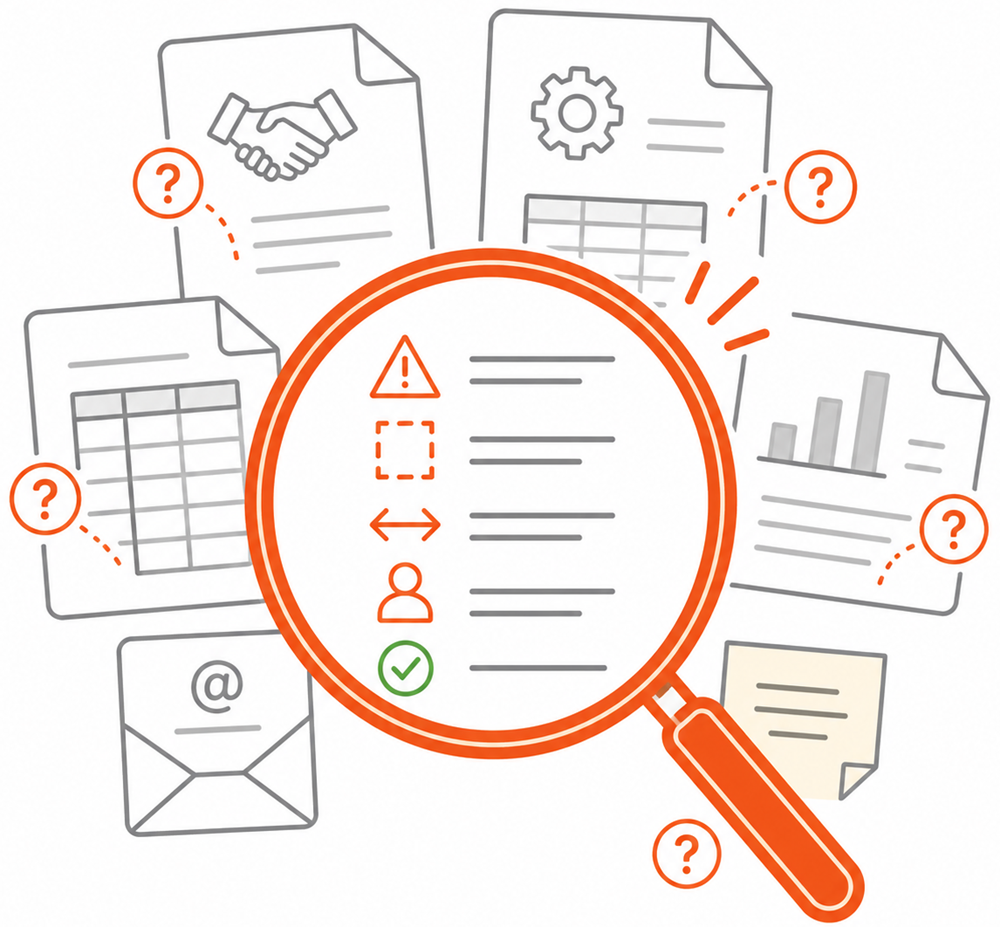
Important assumptions, responsibilities, gaps, dependencies, and consequences are often spread across people, agreements, reports, specifications, spreadsheets, and handoffs.
The T5 Cycle brings these details into a clearer view so your team can make better decisions earlier. The goal is not simply to identify another tool, but to improve the work in a way that solves the current need and remains useful over time.

Reveal What Is Easy to Miss

Bring hidden assumptions, missing information, unclear responsibilities, and conflicting expectations to the surface before they lead to rework, delays, or costly late changes.

Ask the Right Questions Earlier

Identify the questions that need answers before requirements are approved, responsibilities are assigned, suppliers are selected, or larger investments are made.

Connect Decisions Across Teams

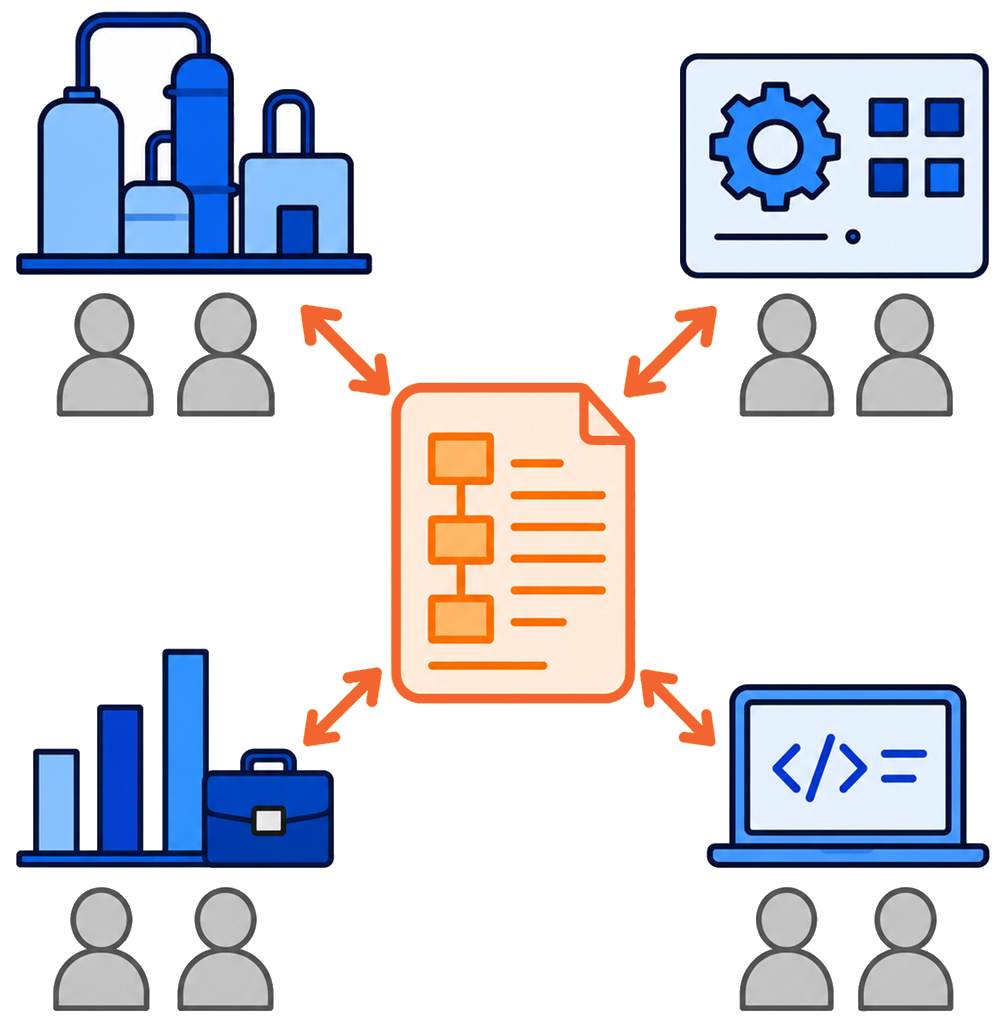
Help operations, engineering, project, and business teams understand how their information, needs, responsibilities, and decisions affect one another.

Choose the Right Next Improvement

Consider the current need, what your team already has, the effort and risk involved, the potential for reuse, and what can be tested before deciding what to improve next.
The right next step is not always a new tool. It may be better use of something already in place, a clearer method, a shared model, focused training, a clear ownership rule, or a small working example.

Make the Work Repeatable

Turn useful knowledge, decisions, documents, calculations, methods, and tools into resources your team can maintain and use again.

Test Before You Commit

Use a focused review, clear model, prototype, or small working example to test important assumptions, find gaps, and confirm value before approving a larger investment or locking in an approach.

Each focused improvement should make today’s work easier and help the team carry its knowledge and experience into what comes next.

This helps each improvement support a larger goal instead of becoming another disconnected fix.

Learn More About the Thinking Behind T5 Cycle

The article From Hidden Effort to Practical Improvement explains how one small, well-chosen improvement can create value now and make future work easier. It can also be easier to test and support than a large improvement program started all at once.

You do not need to have the solution defined before you contact us. Start by describing where the work becomes unclear, inconsistent, repeated, or risky.

What a T5 Engagement Could Look Like

FOOD-PRODUCTION EXAMPLE

We begin by asking:

What part of the work should be easier?

A food producer explains:

When a recipe or regulatory requirement changes, we need an easier way to update our approved thermal-process values and show that the correct version reached production.

For one chicken-soup recipe, a formulation change causes the approved processing time to increase from 18 to 21 minutes. The temperature remains at 121.1°C.
These values must move through Process Authority reports, Quality specifications, an Excel master, the production recipe, the controller, batch records, and the final Quality review. Each step has a different owner, format, and purpose.
Through short meetings with the people involved, we follow one actual change from its governing source to a released production batch.

Together, we find where the approved value comes from, who is responsible for it, which systems use it, and which records show what happened.

—————

We organize the findings into two company-owned resources:

 ◆  a one-page map showing the complete path of the values;
 ◆  a structured parameter record showing their source, meaning, version, owner, location, approvals, and production evidence.

The customer’s team reviews and corrects the model before anything is built.

Together, we agree on what the improvement must achieve. We then document the requirements and proposed test criteria for the customer’s review.

—————

Using the model, the customer asks its internal team to build a small workspace in an existing quality or document-management system.

Under a separate agreed scope, the customer also asks us to develop a small, read-only prototype. It collects the corresponding recipe setpoints from the existing process control system and presents them beside the approved values.

—————

We provide a proposed test specification based on the agreed requirements and the completed Transform results.  The customer reviews and approves them.

The customer then uses the workspace and prototype with a real batch, reviews the evidence, and decides whether each result meets the agreed criteria.

—————

Based on the customer’s confirmed findings, the customer’s internal team updates the workspace. We update the model, supporting documents, and prototype as agreed.

The customer keeps the completed resources and decides what should happen next.

—————

What Could Happen Next

The customer can continue using the workspace and prototype, extend them to other products, connect them with existing systems, or automate selected notifications and approved data transfers.

Another T5 Cycle could address a related process or improve how regulatory changes are tracked.

The same foundation can support future AI projects by providing clear definitions, trusted sources, and known relationships.

UNDERSTAND THE WORK. START SMALL. TEST IN PRACTICE. KEEP THE FOUNDATION.

How a T5 Cycle Engagement Works

Each phase has a defined scope, responsibility, and handover. We provide structured guidance while your company keeps control of its decisions, providers, and wider work.

Phase

Our role

Your Team or Provider

Handover

  • Trace
  • Discover

We examine one defined activity and identify why it still takes so much effort.

Your team provides the available information, evidence, and practical experience.

Trace Summary.
Where effort and uncertainty are being lost.

  • Translate
  • Define

Together, we create a clear, shared view and define the improvement, its requirements, and the proposed basis for verification.

Your team reviews, approves, and owns the requirements and agreed direction.

Shared View Package.
A company-owned foundation for T3.


  • Transform
  • Implement

When engaged as an advisor, we help your team review proposals, design specifications, questions, and changes against the approved requirements.

If your company chooses to include it in our scope, we can also provide a prototype, tool, training resource, procedure, template, or another clearly defined practical result.

Your internal team or selected provider leads the design and implementation of the agreed result.

T3 Result and Supporting Records.

The implemented result or separately agreed Indaucen deliverable, ready for T4.

  • Test
  • Verify

When engaged, we prepare the proposed test specification and help your team review the resulting evidence.

The appointed party performs the tests and records the evidence. Your authorized people decide whether the result is acceptable.

Customer-Confirmed Test Results.
The evidence needed for the final review.

  • Tune
  • Improve

Together, we review the confirmed results, compare the evidence, and consider what was learned.

Your team confirms the conclusions and decides whether another improvement would add value.

Final Review Report.
Agreed updates and practical improvement opportunities.

  • A clear choice after every phase. Your company can stop, continue internally, appoint a provider, or engage us for the next phase.

STRUCTURED SUPPORT. CLEAR HANDOVERS. TRACEABLE EVIDENCE.
BETTER-SUPPORTED DECISIONS.

Start With a Free Challenge Review

What should be easier at work?

Tell us about one recurring part of your work that takes more time or preparation than expected.

We use your answers to:

  • understand the challenge and what already helps;
  • identify whether there is a useful place to start;
  • prepare your short Challenge Review Report.
We use the information you provide only for this review and related communication.

What to expect:

  • A simple questionnaire that takes about five minutes
  • Start with the challenge, not the solution
  • No technical specification or project plan required
  • If there appears to be a useful fit, we may invite you to a short conversation about a possible next step
  • No obligation to buy anything or continue beyond the review
START SMALL. LEARN. THEN DECIDE.
You decide whether to continue beyond the review.

Our Training Courses

Learn from needs seen repeatedly across the process industries.

READY-TO-USE COURSES BUILT FROM INDUSTRY EXPERIENCE
Training is one possible result of the T5 Cycle. Some learning needs appear repeatedly across companies, projects, and teams. We have turned those common needs and decades of practical experience into structured courses with clear lessons and learning outcomes.
Our current courses focus on industrial automation, including breweries, beverage production, batch processes, BRAUMAT®, SISTAR®, and STEP 7®.
As our course library grows, it will also include project management, engineering workflows, AI, and other modern technologies that help people perform technical, project, and business tasks more effectively.
Every course is grounded in real process-industry work and focuses on what people need to understand and do, not only on theory.
When an organization has a learning need specific to its own people and operations, a T5 engagement can also produce internal training, procedures, workshops, or other learning resources.
A customer may also choose to partner with us on a course intended to address a wider industry need. In that case, we develop the course together around the knowledge and examples the customer wishes to contribute for broader use.

Learn in Context

Understand how systems, tools, decisions, and people fit into real industrial operations, projects, and day-to-day activities.

Build Practical Skills

Learn through clear explanations, real examples, demonstrations, system walkthroughs, and guided exercises.

Create Shared Understanding

Help operators, engineers, supervisors, project teams, and managers understand one another’s needs and work together more effectively.

TYPES OF TRAINING

Training Your Way

——

Choose the learning format that best fits your needs, experience, and schedule.

Self-Paced Online Courses

Complete the online lessons at your own pace and according to your schedule. Return to the material whenever needed. Self-paced courses do not include live instructor support.

Hybrid Online Courses

Combine self-paced online learning with short, individually scheduled instructor support sessions. Complete the lessons on your own schedule. Use the live sessions for questions, clarification, and practical guidance.

Instructor-Led Online Courses

Learn through scheduled live group sessions, typically held each day during the course. These courses include guided instruction, hands-on laboratory exercises, system walkthroughs, and live interaction with the instructor.

Training a Team or Organization?

If you’re looking to enroll multiple employees or arrange tailored training for your organization, we offer flexible corporate training options including team enrollments, private instructor-led sessions, and customized programs.

What Our Customers Say About Our Training

See how industry professionals have benefited from our training programs.

"The time that we spent with the instructor was incredibly well spent, as we started with a novice level understanding of computer programming and left capable of writing code to automate parts of the brewhouse."
Head of Production 
BrewDog Brewing Company LLC, USA
"It was awesome. Went from knowing nothing about programming to feeling very confident in being able to read and understand STEP 7."
Lab Manager
BrewDog Brewing Company LLC, USA
"The course curriculum was very comprehensive, yet somehow felt tailor written to what we needed to understand. Each section built on the day before, and each day we could see progress towards our goal. As someone who was already interacting with the system regularly, we more than met my goal of being able to understand what is happening behind the scenes when I write a recipe."
Head of Production
BrewDog Brewing Company LLC, USA.

Choose your Next Step

What would help your team most?

Start With a Short T5 Review

Bring us one part of your work that takes too much effort. We will help you clarify the need and identify a practical next step.

Take a Course

Build practical skills through a structured course.

Stay Connected

Not ready to choose? Create a free account for updates on courses, instructor-led events, practical learning materials, useful tools, and advisory resources.